
After giving the biblical, historical, doctrinal, and clinical evidence for holistic trichotomy of man (spirit, soul and body), we look for potential illustrations.
In chapter 6 of Man as Spirit, Soul, and Body I refer to an analogy in the design and function of the human brain:
The human brain is one unit, with the cerebrum divided into halves—the left cerebral hemisphere and the right cerebral hemisphere. Researchers have assigned distinct types of reasoning processes to each hemisphere. However, the dynamics of right and left hemispheres of the human brain are not merely different types of reasoning; they are biologically distinct. Even so, man has one immaterial element, yet this is composed of two parts (hemispheres), similar to the physical distinction of the right and left parts of the brain. [1]
In the newsletter of Reasons to Believe, Anastasia Young probes deeper and notices a three-in-one analogy in the brain. (She applies this illustration to God as the Trinity, but—since we are made in God’s image—it is not surprising to see this can also illustrate man’s triune makeup.)
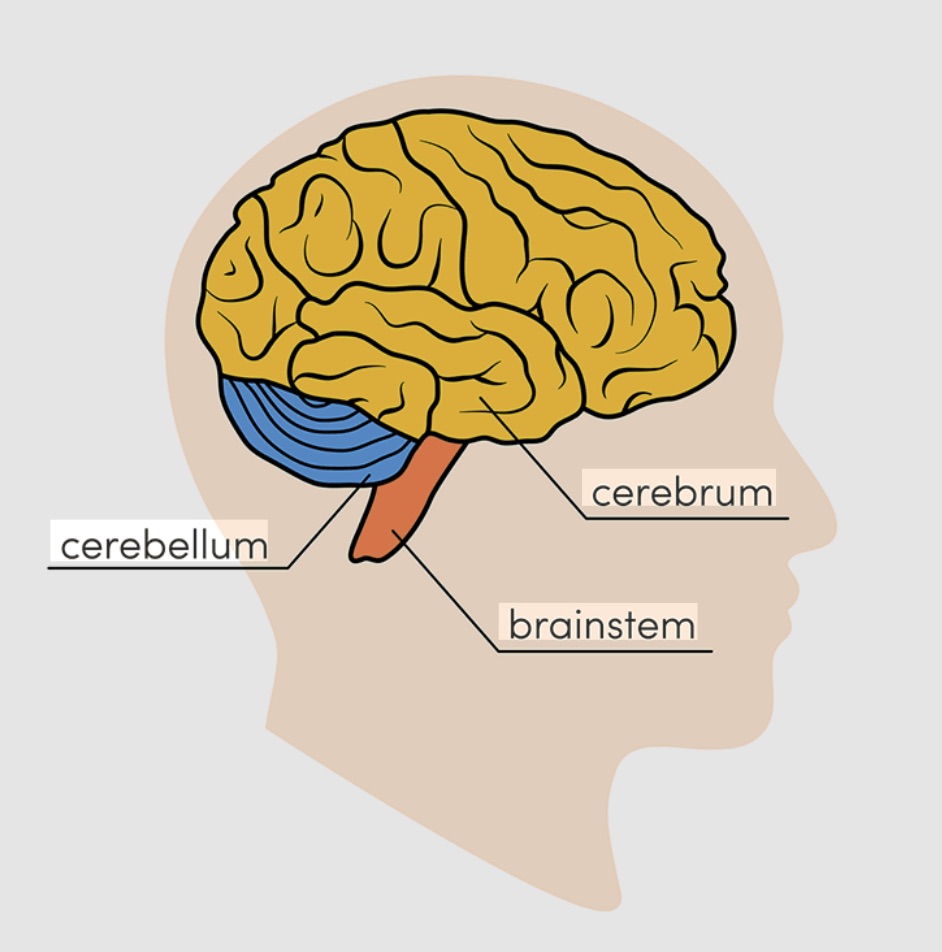
Did you know the human brain is commonly described as having three major anatomical structures: the cerebrum, cerebellum, and brainstem? This isn’t a metaphor. It’s simply how neurologists describe the brain.
What’s striking isn’t just that there are three, but how they relate:
- They are genuinely distinct, with different roles and structures
- They are inseparable in function, never operating alone
- Each is truly brain—yet none is the whole by itself
Damage to any part affects the entire person. Unity isn’t erased by distinction—and distinction doesn’t shatter unity.
…Creation does something important: it can train us to recognize that unity and real distinction are not contradictions. [2]
May we marvel at the design, complexity and function of our brain as created by God. May we also discern that we are “fearfully and wonderfully made” as triune: spirit, soul, and body.
JBW
[1] John Woodward, Man As Spirit, Soul And Body: A Study of Biblical Psychology (Grace Fellowship International, 2007), p. 92.
 Biblical Psychology